AUSTRALIAN WILDLIFE • EDUCATIONAL ARTICLE

Baby Kangaroos (Joeys): The Ultimate Guide to Australia's Most Fascinating Young Marsupials

From their jellybean-sized birth to their first powerful jumps, discover the extraordinary journey of baby kangaroos. Learn about their scientific classification, species diversity, natural habitats, behavior, and surprising facts that make them one of the world's most remarkable animals.

30+

Recognized Species of Kangaroos and Related Macropods

33

Average Days of Pregnancy Before Birth

8–10

Months a Joey Spends Growing Inside the Pouch

9 m

Distance a Red Kangaroo Can Leap in One Jump

Introduction to Baby Kangaroos

Few animals capture human imagination quite like the kangaroo. Their unique method of raising young has fascinated scientists, travelers, and wildlife enthusiasts for generations.

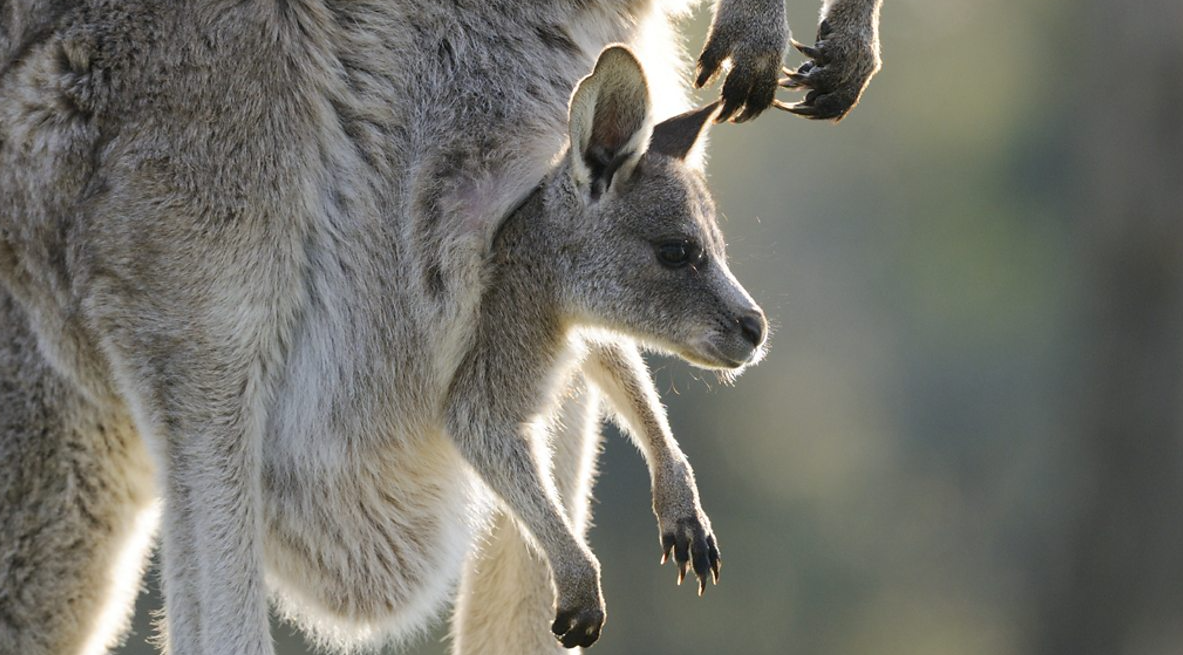
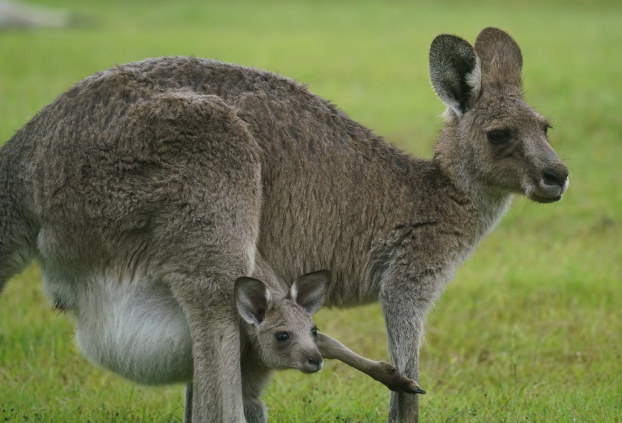
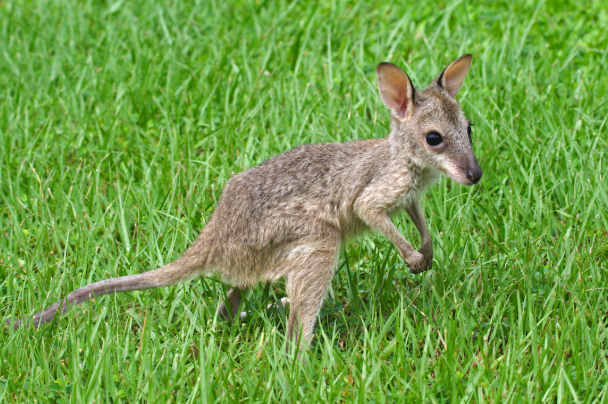
Baby kangaroos are commonly known as joeys. These tiny marsupials begin life in an extraordinary way that differs dramatically from most mammals.

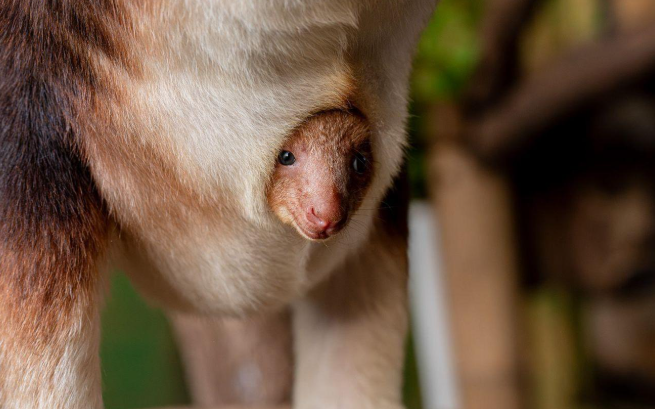
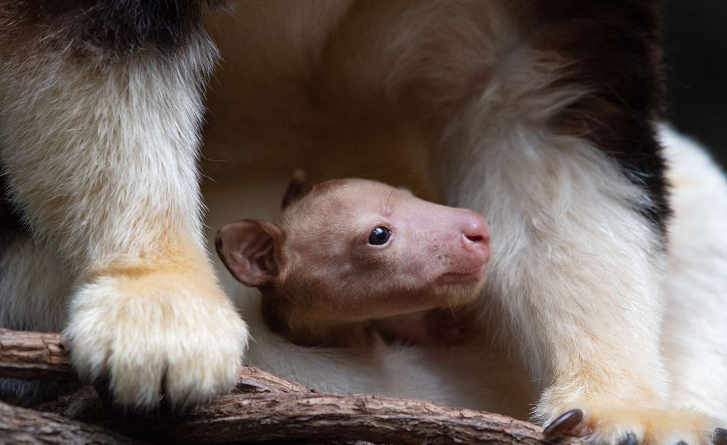
Unlike placental mammals such as dogs, cats, or humans, kangaroos belong to a specialized group called marsupials. Their offspring are born at an extremely early stage of development and continue growing inside their mother's pouch.

Did You Know?

At birth, a joey measures only about 2 centimeters (less than one inch) and weighs less than one gram. Despite its tiny size, it instinctively crawls from the birth canal into the safety of its mother's pouch.

Why Are They Called Joeys?

The term "joey" originated in Australia and is used to describe the young of many marsupial species. However, it is most commonly associated with kangaroos due to their international popularity.

The journey of a joey from birth to independence is one of nature's most incredible survival stories and demonstrates the remarkable adaptations that have allowed kangaroos to thrive in Australia's diverse environments.
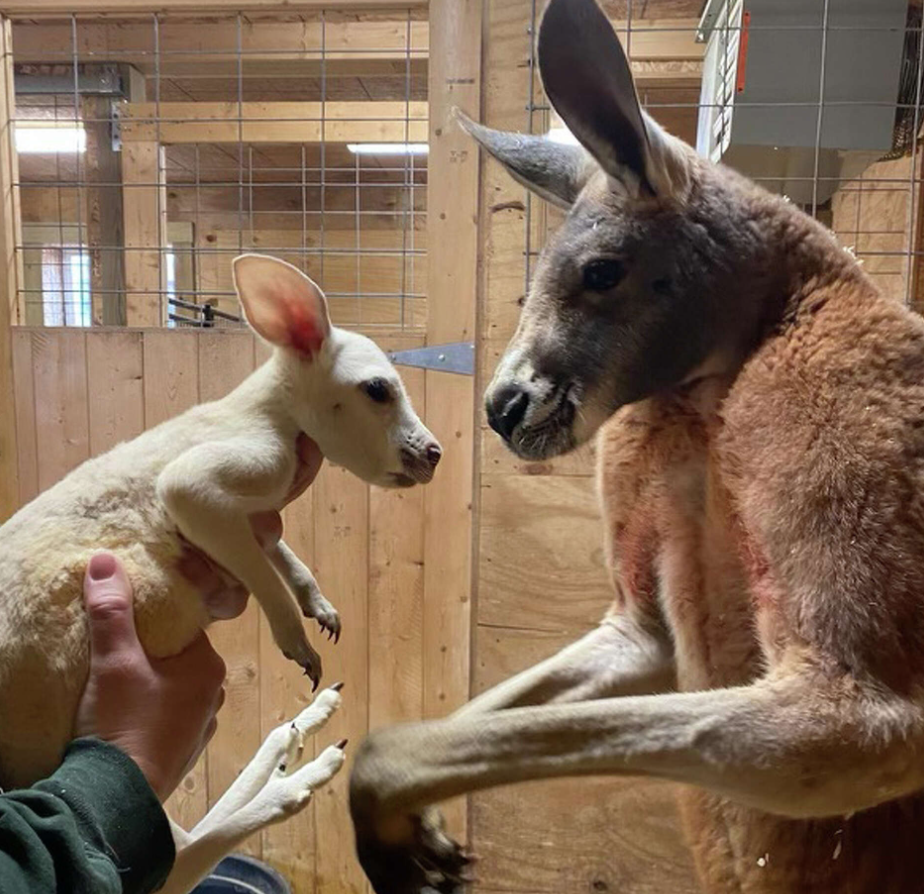
Amazing Facts About Baby Kangaroos

Baby kangaroos, also known as joeys, possess some of the most extraordinary biological adaptations found anywhere in the animal kingdom. Their unique development process has fascinated scientists for decades.

2 cm

A newborn joey is only about 2 centimeters long.

<1 g

Joeys weigh less than one gram at birth.

100%

They instinctively crawl to the pouch without assistance.

12+

Months of maternal care after birth.

10 Incredible Facts About Joeys

1. They are born extremely tiny.
A newborn joey is roughly the size of a jellybean and cannot survive without its mother's pouch.

2. Joeys are born blind.
Their eyes remain closed during the earliest stages of development.

3. They have no fur at birth.
Their skin is pink and nearly transparent.

4. They climb into the pouch alone.
Despite being underdeveloped, they instinctively crawl to safety.

5. They attach to a teat immediately.
Once inside the pouch, the joey remains attached for nourishment.

6. Kangaroo milk changes composition.
The milk adapts as the joey grows, meeting different nutritional needs.

7. Mothers can support two young at once.
A female kangaroo may produce different milk types simultaneously.

8. Joeys peek from the pouch before leaving.
This behavior helps them become familiar with their surroundings.

9. They return to the pouch repeatedly.
Even after learning to hop, joeys seek protection inside.

10. They remain emotionally dependent.
Mother-offspring bonds continue long after pouch life ends.

Scientific Classification

Kangaroos belong to a fascinating branch of mammals known as marsupials. Their classification highlights millions of years of evolutionary adaptation.

Taxonomic Rank Classification
Kingdom Animalia
Phylum Chordata
Class Mammalia
Infraclass Marsupialia
Order Diprotodontia
Family Macropodidae
Common Name Kangaroo
Meaning of Macropodidae "Large Foot"
Scientific Insight:

The family name Macropodidae comes from Greek words meaning "large foot," referring to the powerful hind legs that allow kangaroos to travel efficiently across Australia's vast landscapes.

The Development Journey of a Joey

From a tiny newborn weighing less than a gram to an independent young kangaroo, the transformation of a joey is truly remarkable.

Day 0 – Birth

The joey emerges after approximately 33 days of pregnancy. At this stage, it is blind, furless, and only partially developed.

Minutes After Birth

Using its tiny forelimbs, the joey crawls through its mother's fur toward the pouch without assistance.

Months 1–4

The joey remains attached to a teat while its organs, limbs, and facial structures continue to mature.

Months 5–6

Fur begins to grow, ears become more defined, and the eyes open.

Months 6–8

The joey starts peeking outside the pouch and observing the world.

Months 8–10

It leaves the pouch for short periods while continuing to nurse.

10–12 Months and Beyond

The young kangaroo becomes increasingly independent but may continue receiving maternal care and milk.

Joey Growth Timeline

A simplified overview of the major milestones in the life of a baby kangaroo.

Birth

Tiny, blind, furless newborn.

4 Months

Internal development continues.

6 Months

Eyes open and fur appears.

8 Months

Begins exploring outside.

10 Months

Leaves pouch frequently.

12+ Months

Greater independence achieved.

Major Kangaroo Species

Although people often think of kangaroos as a single animal, there are several species with unique characteristics, appearances, and habitats.

Red Kangaroo

Red Kangaroo

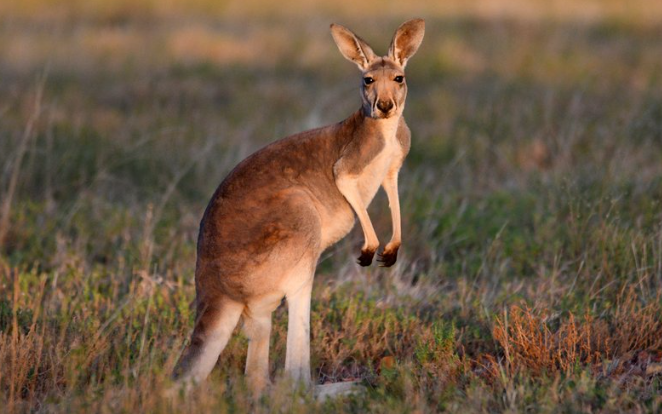
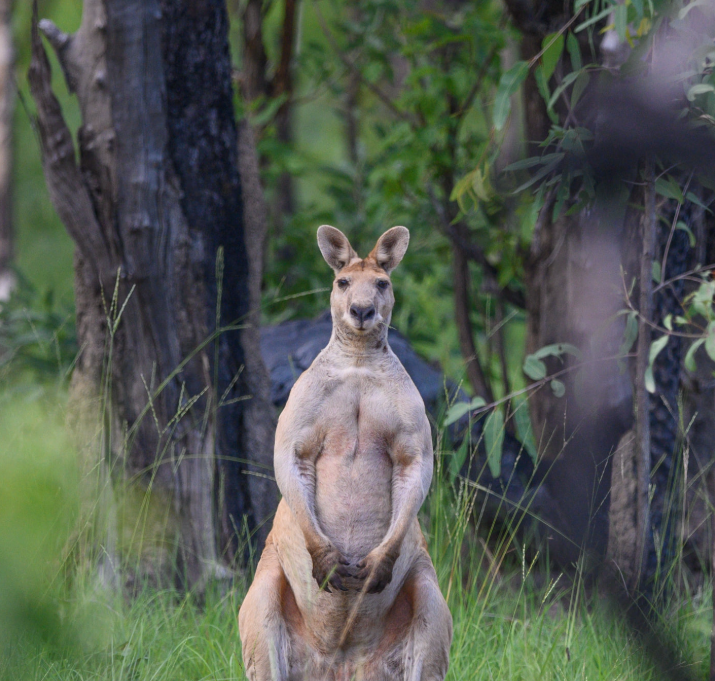
The largest kangaroo species in the world. Adult males can weigh over 90 kilograms and are recognized by their reddish fur.

Scientific Name:
Osphranter rufus

Eastern Grey Kangaroo

Eastern Grey Kangaroo

One of Australia's most common kangaroos, often living in forests and grasslands.

Scientific Name:
Macropus giganteus

Western Grey Kangaroo

Western Grey Kangaroo

Known for its darker fur and adaptability, this species thrives in southern Australia.

Scientific Name:
Macropus fuliginosus

Antilopine Kangaroo

Antilopine Kangaroo

A slender species native to northern Australia, well adapted to tropical environments.

Scientific Name:
Osphranter antilopinus

Where Do Kangaroos Live?

Kangaroos are iconic Australian animals, but many people wonder whether they exist elsewhere in the world.

Australia: The Native Homeland

Australia is the natural home of kangaroos. They inhabit deserts, savannas, grasslands, woodlands, and even mountainous regions.

Tasmania

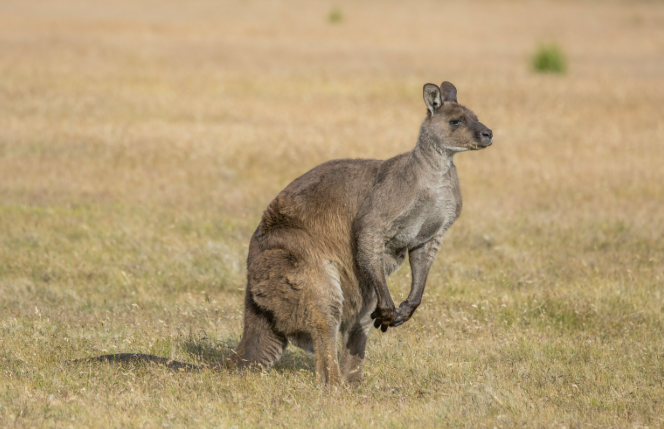
Tasmania hosts populations of kangaroos and their relatives adapted to cooler climates.

Papua New Guinea

Tree kangaroos and other macropods inhabit the forests of Papua New Guinea.

Are Kangaroos Found in America?

Kangaroos do not naturally occur in North or South America. However, they can be seen in zoos, wildlife parks, and conservation centers. There are no established wild populations.

Presence in Other Countries

Kangaroos can also be found in zoological institutions throughout Europe, Asia, the Middle East, and Africa.

What Do Kangaroos Eat?

Kangaroos are herbivores and have evolved to efficiently digest plant material.

Adult kangaroos primarily feed on:

  • Fresh grasses
  • Leaves and shrubs
  • Young shoots
  • Flowers
  • Mosses and ferns (occasionally)

Baby kangaroos initially survive entirely on their mother's milk. As they mature, they gradually transition to vegetation.

Interesting Fact:

Kangaroos produce less methane than many other grazing mammals, making them relatively efficient herbivores.

Natural Predators

Despite their strength and agility, kangaroos still face threats in the wild.

Historically and today, kangaroos may be preyed upon by:

  • Dingoes
  • Large birds of prey targeting joeys
  • Feral dogs
  • Introduced predators in some regions
  • Humans through legal wildlife management programs

Young joeys are particularly vulnerable and rely heavily on their mother's pouch for protection.

Evolution Through Millions of Years

The ancestors of modern kangaroos evolved over millions of years in Australia's isolated ecosystems.

Scientists believe early macropods appeared more than 20 million years ago. As Australia's climate changed, kangaroos adapted from forest-dwelling animals into efficient grassland hoppers.

Their powerful hind legs, muscular tails, and energy-efficient hopping enabled them to thrive in challenging environments.

Today, kangaroos remain one of the greatest examples of evolutionary specialization.

Frequently Asked Questions

How long does a joey stay in the pouch?

Most joeys remain in the pouch for approximately 6 to 10 months.

Can baby kangaroos survive outside the pouch?

Not immediately after birth. They depend entirely on the pouch for continued development.

Do kangaroos only live in Australia?

Wild kangaroos are native to Australia and nearby regions, although they can be seen in zoos worldwide.

Are kangaroos endangered?

Most major kangaroo species are not endangered, but habitat protection remains important.